BTEC AAQ IT Unit 2: Cyber Security & Incident Management Revision Resources
Welcome to one of the most complete UK revision hubs for BTEC AAQ Information Technology Unit 2: Cyber Security and Incident Management.
This page is designed for both students aged 16–21 studying BTEC Level 3 Information Technology and teachers delivering the qualification. It brings together clear, structured revision resources to help you understand cyber security, digital threats, and how organisations respond to security incidents.
Whether you are revising for assessments or building your understanding of real-world cyber security, this guide will support your learning step by step.
What is BTEC AAQ IT Unit 2?
Unit 2 focuses on the world of cyber security and incident management.
You will learn how organisations protect their systems, data, and users from digital threats, as well as how they respond when security breaches occur.
This includes understanding:
Internal and external cyber threats
System vulnerabilities
Protection methods and security controls
Legal frameworks such as data protection laws
Incident response procedures
Digital forensics and investigation techniques
Cyber security is one of the fastest-growing areas in the IT industry, making this unit highly relevant for future careers.
Why is AAQ Unit 2 important?
Every organisation today relies on digital systems.
This means they are constantly at risk from:
Hackers trying to access systems
Malware infecting devices
Phishing scams targeting users
Insider threats within organisations
Cyber security protects:
Personal data
Financial information
Business systems
National infrastructure
Without strong security, organisations can suffer data loss, financial damage, and reputational harm.
Topics Covered in Unit 2
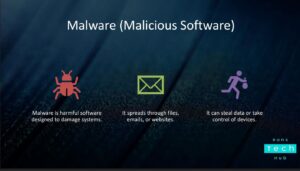
Malware
Malware is malicious software designed to damage or disrupt systems.
Examples include:
Viruses
Worms
Trojans
Ransomware
Hacking
Hacking involves unauthorised access to systems or networks.
Hackers may:
Steal data
Modify files
Disrupt services
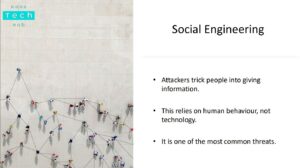
Social Engineering
Social engineering tricks users into revealing sensitive information.
Common examples:
Phishing emails
Fake websites
Impersonation scams
System Vulnerabilities
A vulnerability is a weakness in a system that can be exploited by attackers.
These can include:
Weak passwords
Outdated software
Poor network configuration
Human error
Understanding vulnerabilities is essential for preventing attacks before they happen.
Protection Methods in Cyber Security
Organisations use many methods to protect their systems.
Network Security
Includes tools such as:
Firewalls
Intrusion detection systems
Secure network design
Encryption
Encryption protects data by converting it into unreadable code unless a key is used to unlock it.
Access Control
Only authorised users can access certain systems or data.
This may include:
Passwords
Multi-factor authentication
User permissions
Legal Frameworks in Cyber Security
Cyber security is also controlled by law.
Data Protection Laws
The UK uses strict rules to protect personal data. One key example is:
UK GDPR
This law ensures organisations handle personal data responsibly and securely.
Computer Misuse Act
The law also covers illegal access to systems:
Computer Misuse Act 1990
This makes activities such as hacking and unauthorised system access a criminal offence.
Incident Management and Response
When a cyber attack happens, organisations must respond quickly.
Incident Response Plans
These are structured plans that explain how to:
Detect an incident
Contain the damage
Remove the threat
Recover systems
Prevent future attacks
Digital Forensics
Digital forensics involves investigating cyber incidents.
It includes:
Collecting digital evidence
Analysing logs and files
Identifying the source of an attack
Supporting legal action if needed
Revision Resources
Revision Notes (PowerPoint)
Clear summaries of each topic to help you revise quickly.
Flashcards
Example of flashcards freely available on the website.
Perfect for learning key definitions such as:
Malware types
Security tools
Legal terms
Cyber attack methods
Quizzes
Example of quiz freely available on the website.
Test your knowledge and identify weak areas before exams.
Video Lessons
Example of video lesson freely available on the website and YouTube.
Visual explanations that make complex cyber security topics easier to understand.